How to Get Rid of Mold From Every House Surface area
Mold spores are everywhere around us in every kind of climate. Mold is fungis and some types are extremely helpful to mankind (consider penicillin), while others can be quite hazardous to crops, respiratory systems, and the stability of structures. Harmful Mold vs. Mildew The most typical kind of mold found in houses is mildew.
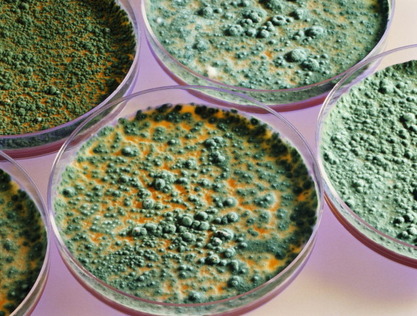
Mildew is a surface area mold that grows in warm, moist locations like your bathroom and on materials and books saved in damp basements. Mildew begins as a gray or white grainy nest. It will turn black or brown if not gotten rid of immediately and typically looks like soil accumulation. To evaluate if the surface area is covered with mildew or simply dirt, dab the stain with a cotton bud dipped in family chlorine bleach. If the stain lightens or vanishes after 2 or 3 minutes, it's mildew. If not, it's most likely just dirt. If you discover a moldy odor throughout your house, then you have a high concentration of mold. It can be coming from a hinder filled with damp towels, from a wet crawlspace under your home, or carpets that have mold growing in the cushioning. It's absolutely time to act to eliminate the issue. Now you understand that all mildew is mold however not all molds are mildew.
Mildew can tarnish and slowly harm surface areas but there are much more unsafe molds that can damage the structure of your house. If you see a black or green mold that is fuzzy or slimy and the drywall or wood below is soft or collapses, there is irreversible rot and the mold and the damaged surfaces should be gotten rid of immediately.
Hiring Professionals If mildew problem is captured early, you can easily handle it with home cleaners.
Caution For substantial mold problems, consider working with a professional. Some molds are highly toxic and even less unsafe molds can trigger issues for anyone with mold allergic reactions or compromised respiratory systems. The guideline is if the mold covers 10 or more square feet, call in a professional. Eliminating large mold nests needs direct exposure to sturdy chemicals and proper disposal of infested building products.
Regional public health departments can use suggestions on mold testing and refer you to an expert mold eliminator.
Products That Kill Mold Chlorine bleach: Sodium hypochlorite or regular home bleach works best to ruin mold and get rid of any staining. It is rather harsh and should be diluted before using.
Caution Care must be utilized due to toxicity and harmful fumes and bleach ought to never be integrated with ammonia.
Hydrogen peroxide: Less severe than chlorine bleach, hydrogen peroxide (three to 10 percent solution) will kill mold and lighten discolorations. While it does have a whitening impact, it works more slowly than chlorine bleach but has no toxic fumes or residue.
Distilled white vinegar: Vinegar is acidic and gradually breaks down the structure of mold and kills it. Vinegar is non-toxic however mold discolorations may remain and extra scrubbing with a family cleaner might be required.
Sodium bicarbonate and borax: Salt bicarbonate (baking soda) and borax each have a high pH that hinders the development and survival of mold. Both items are economical, non-toxic, and simple to blend with water. Borax will work better in removing any remaining stains however not as effectively as a more powerful cleaning product. When using any of these items, do not rinse away the cleaning service completely. Leaving a bit of the cleaner will assist hinder future mold development.
Elimination from Fabric If your home has been flooded and mold and germs have actually been delegated grow for lots of days, it might be impossible to salvage fabric items. If mildew has developed due to dampness and is caught early, it can easily be removed from many fabrics. Begin by taking the products outside to brush away as much surface mold as possible and to prevent spreading out the mold spores inside your house. If the material is washable, utilize the most popular water suggested on the care label and add a disinfectant. If stains remain, develop a service of oxygen bleach and water and allow the clothing to soak for at least 8 hours.
Oxygen bleach can be used safely on any washable fabric. For fabrics that are dry tidy only, brush away the mildew outside and then head to an expert cleaner. black mold in a rental house - https://precisionenviro.net/ Identify and explain the stains and many materials can be successfully brought back.
Leather Shoes, Coats, Add-on, and Furniture Mold on leather coats, shoes, http://edition.cnn.com/search/?text=Mold inspection purses, and furniture should be removed outside, if possible. Wipe down the surface area with a cloth dipped in distilled white vinegar and after that with a great leather soap and warm water. Dry with a soft fabric and enable to air dry entirely. Once totally dry, treat the item with a leather conditioner.
Books and Papers Mold will eventually ruin paper however it can be effectively gotten rid of. For costly books and historically significant documents, speak with a professional curator. Never ever attempt to deal with wet paper. The mold will smear and end up being almost difficult to get rid of. Permit the paper in books to air dry thoroughly in the sun or location in a sealed container with moisture absorbent product like silica gel or cornstarch sprayed between the pages. When the book is dry, head exterior and utilize a soft paintbrush or fabric to carefully brush away the mildew from the cover and each page. Move a sheet of waxed paper under each page to secure the page behind it. Slightly dampen a clean, soft fabric with hydrogen peroxide and carefully wipe down each page permitting it to air dry entirely before moving to the next page.